
The Digital Vanishing Act: Your Guide to Erasing Yourself from the Internet
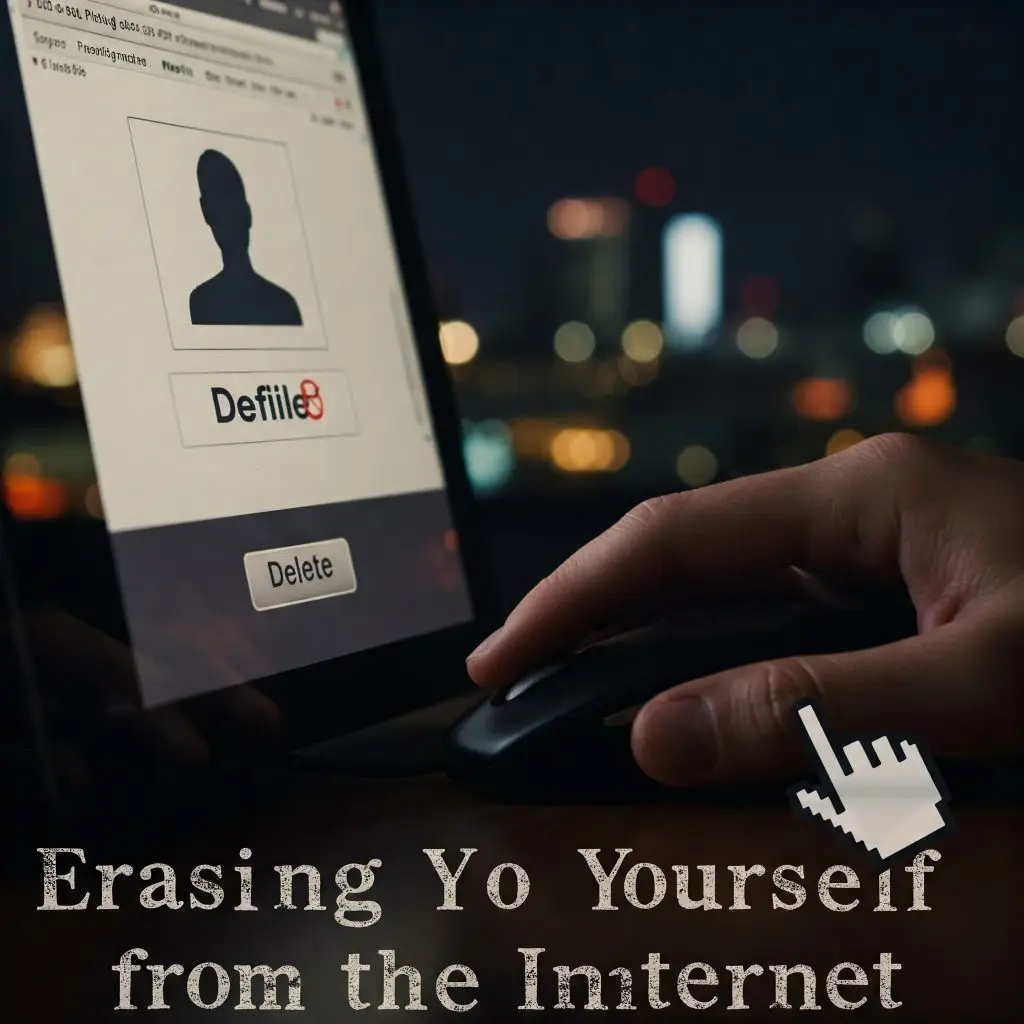

In the age of digital footprints, can you truly disappear online?
In our hyper-connected world, the internet knows more about us than some of our closest friends. Every click, every tweet, and every shopping spree is meticulously recorded and cataloged in the vast universe of cyberspace. Yet, with privacy concerns reaching an all-time high, the notion of deleting oneself from the internet has gained significant traction. This seemingly radical idea isn’t just a fleeting thought but a growing movement, as people increasingly strive to reclaim control over their digital lives.
Enter the notion of the Digital Vanishing Act—a comprehensive guide to erasing your virtual existence.
Why Consider Going Dark?
The internet is both a vast repository of knowledge and a potential minefield for privacy invasion. Your data is valuable currency, often harnessed by advertisers, data brokers, and even hackers. The implications of this can range from targeted ads to identity theft. In recent years, high-profile data breaches have ushered privacy concerns to the forefront, leaving many questioning how much of themselves they wish to expose online.
Moreover, the permanence of the internet is a double-edged sword. Embarrassing tweets from a decade ago or an unflattering college blog post could resurface at any moment, affecting job prospects or personal relationships. Thus, steps to minimize one’s digital presence can preempt future inconveniences.
The Roadmap to Self-Erasure
Deleting yourself from the internet is no small task. It requires diligence, strategy, and often, patience. Here’s a beginner-friendly guide:
- Audit Your Online Presence: Begin by Googling yourself. Identify all platforms where your information resides. Social networks, subscription services, blogs, forums—leave no stone unturned.
- Deactivate and Delete Accounts: Deleting social media accounts goes beyond logging out. Platforms like Facebook or Instagram provide options to deactivate or permanently delete accounts. Opt for the latter for complete erasure.
- Remove Unwanted Search Results: Google provides a tool for submitting a request to remove outdated content. Although the process isn’t instantaneous, it’s a step towards curating your online image.
- Scrub Social Media Activity: Deleting or setting old posts and photographs to private can negate potential digital oversharing. Applications like Social Book Post Manager can assist in bulk-delete efforts.
- Contact Webmasters: For content on old blogs or forums, contact site administrators directly to request removal. While not always successful, many are willing to accommodate reasonable requests.
- Opt-Out of Data Brokers: Websites like Whitepages or Spokeo can be annoying data aggregators. Use services like DeleteMe or OneRep to streamline the opt-out process.
- Manage Email Subscriptions: Unsubscribe from mailing lists and delete old accounts, reducing not only spam but another link to your online presence.
The Road Ahead: Lessons and Reflections
It’s essential to understand that while you can significantly reduce your footprint, true total deletion is challenging. Some internet remnants are stubborn and resist even the most thorough cleansing attempts. However, by taking proactive measures, you significantly reduce potential vulnerabilities.
Going offline can also foster a healthier relationship with technology. Many who embark on this path report reduced anxiety levels once they no longer feel under the scrutinizing lens of the online world. The detox extends benefits that translate well into the real world—more genuine interpersonal connections and a newfound appreciation for privacy.
Still, it’s crucial to weigh the pros and cons before diving headfirst into digital obscurity. As much as the internet poses risks, it’s also a medium for creativity, expression, and connection. Balance is key, finding a midpoint that preserves your privacy without sacrificing the benefits of an online presence.
In Conclusion
The process of removing oneself from the internet can appear daunting, akin to scaling a digital Everest. However, each successful step offers empowerment, an assurance that you’ve taken control over your narrative. In a world that often seems ruled by algorithms and data, reclaiming even a small degree of your personal information is a victory.
Embrace the digital vanishing act, not as an end, but as a means to free yourself from the chains of constant connectivity. Whether you’re seeking privacy, peace, or merely a fresh start, embarking on this journey could just be the reset button you’ve been longing for.
