
Future-Proof Your Website: A Look at the Next Generation of CMS
# The New CMS: A Detailed Overview
As you move through the ever-changing world of managing digital content, you may wonder what’s next for Content Management Systems (CMS). The next generation of CMS is not just about content; it’s about creating a smooth experience. It uses many technologies and methods to meet the demands of today’s users. Due to quick tech advances, how you create, manage, and share content is greatly changing. This change is driven by the need for flexibility, scalability, and better user engagement.
Key Takeaways
- Next generation CMS is evolving to meet the changing needs of digital content management.
- Headless CMS is gaining popularity for its flexibility and ability to deliver content across various platforms.
- AI and machine learning are being integrated into CMS to automate tasks and provide personalized content.
- Mobile-first CMS is crucial for reaching and engaging with users on their preferred devices.
- Voice search and virtual assistants are being integrated into CMS to provide a more seamless user experience.
In this new era, old CMS platforms are being changed to work in a more dynamic way for content delivery. You will find that the new generation of CMS is built around things that prioritize user experience, flexibility, and integration with new tech. As you learn more, you’ll find out the main trends shaping the future of CMS and how they can help you create more effective & engaging digital experiences.
One of the biggest changes in CMS is the rise of headless CMS. Unlike old systems that link the front-end presentation layer with the back-end content storage, headless CMS separates these parts. This separation lets you provide content across multiple channels and devices without being limited by a specific presentation layer.
As a result, you can make a more adaptable content strategy that fits the different needs of your audience. With a headless CMS, you can use APIs to send content to various platforms, like a website, a mobile app, or even IoT devices. This flexibility lets you try out different front-end technologies and frameworks, allowing for a more tailored user experience. As you consider this option, think about how a headless approach can make your content delivery process easier & boost your ability to connect with users across many places.
Artificial Intelligence (AI) and machine learning are becoming important parts of next-generation CMS platforms. These technologies can analyze user behavior, guess content preferences, and automate many tasks, making your content management process more efficient. By using AI, you can get useful insights into what your audience likes, helping you create more targeted and relevant content. Moreover, machine learning algorithms can help you improve your content for search engines and improve overall visibility.
As you start using these technologies, think about how they can improve your content strategy by providing data-driven suggestions and automating routine tasks. This not only saves time but also lets you focus on creating high-quality content that truly connects with your audience. In today’s digital world, mobile devices are the main way users access content. So, using a mobile-first approach in your CMS strategy is now essential.
A mobile-first CMS makes sure that your content is optimized for mobile devices from the start, giving users a seamless experience regardless of their device. When you prioritize mobile optimization, you increase user engagement and retention rates. A responsive design makes your content look good on any screen size, while fast loading times improve user satisfaction. As you develop your content strategy, remember that a mobile-first approach not only fits user preferences but also works with search engine algorithms that prefer mobile-friendly sites.
As voice search technology keeps getting more popular, it’s crucial to include it in your CMS strategy. With the rise of virtual assistants like Siri, Alexa, and Google Assistant, users are increasingly using voice commands to find information. This shift requires you to rethink how you structure and present your content.
To optimize for voice search, think about focusing on natural language processing & conversational keywords. This means creating content that answers common questions in a clear way. By doing this, you can increase your chances of appearing in voice search results, ultimately driving more traffic to your site.
As you adjust to this trend, think about how voice search can improve user experience and make your content easier to access. Personalization is becoming a key part of effective content management strategies. By tailoring content to individual user preferences & behaviors, you can create a more engaging experience that resonates with your audience. Next-generation CMS platforms often have tools that let you personalize content based on user data.
When you implement personalization strategies, think about using user segmentation to deliver targeted content that meets specific needs. This could involve suggesting articles based on past reading or customizing landing pages based on user demographics. By enhancing user experience through personalization, you not only increase engagement but also build loyalty among your audience. Progressive Web Apps (PWAs) are changing how users interact with web content.
These apps combine the best features of web & mobile apps, offering a fast, reliable, and engaging experience. By integrating PWAs into your CMS strategy, you can give users an app-like experience right from their browsers without needing to download anything.
As you explore this technology, consider how PWAs can improve load times and offer a smoother navigation experience for your audience. By using PWAs within your CMS framework, you stay at the front of digital innovation.
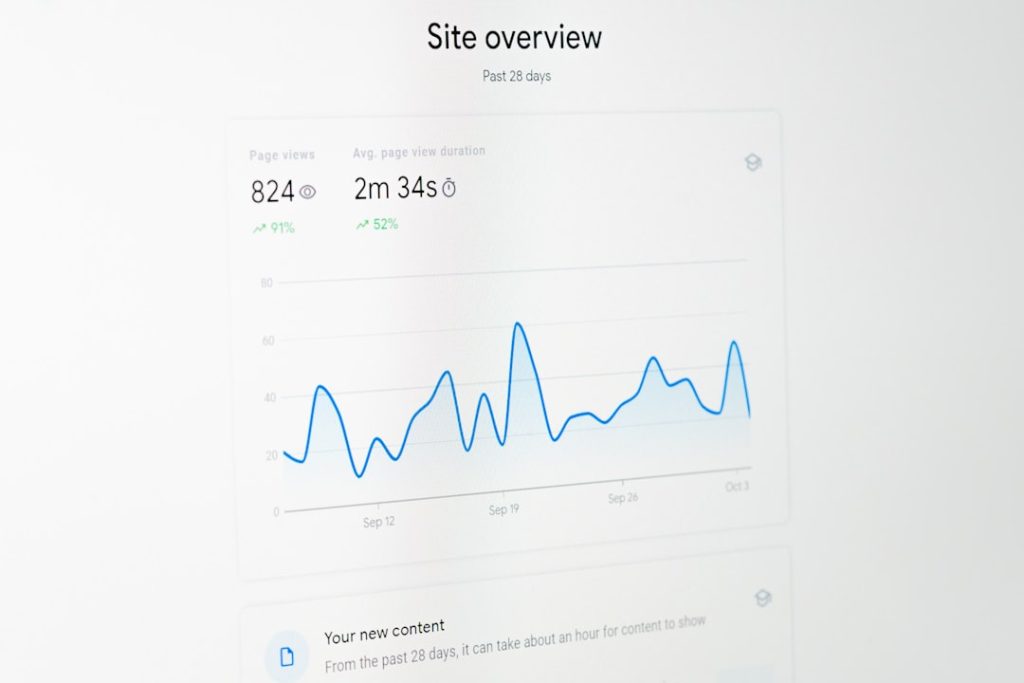
In the next generation of CMS, making decisions based on data is most important. Content analytics tools give valuable insights into how users interact with your content, helping you improve your strategy based on real-time data. By analyzing metrics like page views, bounce rates, & user engagement levels, you can figure out what works & what doesn’t.

As you use content analytics, consider setting specific goals for your content strategy. Whether you want to increase engagement or drive conversions, having clear goals will help guide your analysis and inform future decisions. By using data effectively, you can create more effective content that connects with your audience and achieves the desired results. As digital threats keep growing, ensuring security and compliance within your CMS is more important than ever. Next-generation CMS platforms are made with strong security features to protect sensitive data and keep user trust.
This includes encryption protocols, regular updates, and following rules like GDPR. When choosing a CMS, choose platforms that offer thorough security measures and compliance support. This not only protects your content but also protects your users’ information. As you deal with this, think about how investing in security can improve your brand’s reputation and build trust among your audience. Blockchain technology is making a big impact across different industries, including content management.
By providing a decentralized ledger for tracking content ownership and distribution, blockchain can improve transparency and security in digital content management. This technology lets creators control their work while ensuring fair compensation through smart contracts. As you explore the potential of blockchain in CMS, think about how it can revolutionize copyright management and reduce piracy risks. By using blockchain technology, you can create a more equitable ecosystem for content creators while increasing trust among users.
This innovative approach could change how content is shared and monetized in the digital age. The future of Content Management Systems is bright and full of opportunities for innovation and growth. As you adopt these new technologies & methods, remember that being adaptable is key. The world is constantly changing, and staying ahead means being willing to experiment with new tools and strategies. By understanding the trends shaping the future of CMS—like headless architecture, AI integration, mobile-first design, voice search optimization, personalization strategies, PWAs, analytics use, security measures, and blockchain technology—you are preparing yourself for success in an increasingly competitive digital world.
Embrace these advancements with an open mind and a proactive approach. This will help you create engaging digital experiences that work for your audience now and in the future.
In the rapidly evolving digital landscape, staying ahead of technological advancements is crucial for maintaining a competitive edge. The article “Future-Proof Your Website: A Look at the Next Generation of CMS” delves into the innovative features and strategies that can help businesses adapt to future challenges. A related article that complements this discussion is “Dark Web Sees Explosive Growth in Malicious AI Tools: A 200% Surge in Mentions Raises Concerns,” which highlights the increasing sophistication of AI tools and the potential threats they pose to online security. Understanding these risks is essential for developing a robust content management system that can withstand emerging cyber threats. For more insights, read the full article here.
FAQs
What is a CMS?
A CMS, or Content Management System, is a software application that allows users to create, manage, and modify digital content on a website without the need for specialized technical knowledge.
What are the benefits of future-proofing a website?
Future-proofing a website ensures that it remains relevant and functional as technology and user expectations evolve. This can lead to improved user experience, better search engine rankings, and reduced maintenance costs.
What are the key features of the next generation of CMS?
The next generation of CMS is characterized by features such as headless architecture, omnichannel content delivery, AI-powered personalization, and seamless integration with third-party applications and services.
How does headless architecture differ from traditional CMS architecture?
Headless architecture separates the content management and content delivery layers, allowing for greater flexibility and scalability. This enables content to be delivered to various platforms and devices, such as websites, mobile apps, and IoT devices.
What is omnichannel content delivery?
Omnichannel content delivery refers to the ability of a CMS to deliver consistent and personalized content across multiple channels and devices, such as websites, mobile apps, social media, and email.
How does AI-powered personalization enhance the user experience?
AI-powered personalization uses machine learning algorithms to analyze user behavior and preferences, allowing for the delivery of personalized content and recommendations that are tailored to each individual user.
What are the potential challenges of adopting the next generation of CMS?
Challenges of adopting the next generation of CMS may include the need for specialized technical expertise, potential integration issues with existing systems, and the requirement for ongoing training and support for users.